
Turtle · Medium Breed
Sulcata Tortoise Age Calculator
Use this Sulcata Tortoise age calculator to convert turtle years to human years. You can also check the average Sulcata Tortoise lifespan, adult weight range, growth chart, feeding guide, and breed facts in one place.
Quick Answer
Sulcata Tortoise facts at a glance
Average lifespan
70-150 years
Adult weight
30-100 kg
Fully grown
18-24 months
The Calculator
How old is your Sulcata Tortoise in human years?
At 1 year old
Your Sulcata Tortoise is approximately 0.7 in human years.
Field Notes
Sulcata Tortoise Lifespan, Size, and Care
Sulcata tortoises are native to the southern edge of the Sahara Desert in Africa, where they evolved to survive in hot, arid environments with seasonal food and water scarcity. Their thick skin, strong legs, and burrowing behavior help them manage extreme temperatures. In captivity, they are popular because of their impressive size and hardy nature, but they often outgrow the expectations of first-time reptile owners.
In temperament, Sulcatas are generally curious, food-motivated, and active during warm parts of the day. Many become very accustomed to their caretakers and may approach for food or attention, though they are not cuddly pets and can be stubborn or surprisingly forceful. Adult animals can push through weak fencing, dig large burrows, and unintentionally injure themselves or damage property if their enclosure is not secure.
Care focuses on replicating a dry, warm environment with access to shade, proper UVB lighting, and a diet based mainly on grasses and weeds. They do best on high-fiber, low-protein, calcium-balanced foods, and they should not be fed large amounts of fruit or rich grocery greens. Clean water should always be available, and juveniles in particular benefit from regular soaking to support hydration and healthy shell growth.
Exercise needs are high because Sulcatas are naturally roaming grazers that need room to walk, explore, and dig. Outdoor housing is ideal in suitable climates, with sturdy barriers and dry substrate that allows natural movement and burrowing behavior. Regular activity helps support healthy muscle tone, shell development, digestion, and weight control.
Temperament
Exercise Needs
moderate
Health Watch
- Metabolic bone disease from inadequate UVB exposure or poor calcium balance
- Respiratory infections, especially from cold or damp housing
- Pyramiding and shell deformities related to improper diet and humidity management during growth
- Dehydration and kidney stress from poor hydration or overly dry husbandry
- Parasites, including intestinal parasites that can affect appetite and weight
Grooming
Sulcata tortoises require minimal grooming, but their enclosure, shell, beak, nails, food dishes, and water area should be kept clean and monitored regularly.
Growth Curve
Sulcata Tortoise weight chart
Typical weight progression from young to adult. The tinted band marks the healthy adult range. 30-100 kg.
Nutrition, Staged
Sulcata Tortoise Feeding Guide
Use this Sulcata Tortoise feeding guide as a starting point for common life stages, then adjust for body condition, activity, and veterinary advice.
Formative years
Young
Young turtles and tortoises do not all eat the same diet, so the exact plan should match the species, age, UVB setup, and calcium program. Use a reptile-specific feeding plan from a trusted species guide or reptile veterinarian instead of relying on a generic portion chart.
Peak years
Adult
Adult reptile diets vary widely by species, with some needing a mostly plant-based diet and others needing a mix of greens, pellets, insects, or aquatic prey. Husbandry matters as much as ingredients, so UVB lighting, calcium balance, heat, and body condition should be reviewed alongside the diet.
Mature years
Senior
Older turtles and tortoises should stay on a species-appropriate diet, but appetite, shell condition, mobility, and body weight should be checked more often as they age. A reptile veterinarian should review the plan if there are changes in growth, egg laying, shell texture, or feeding response.
Questions, Answered
On the Sulcata Tortoise
That depends on the pet's actual age. Use the calculator above to estimate a Sulcata Tortoise's age in human years using the method shown on this page.
Sulcata tortoises are very long-lived and can live for several decades, often 50 years or more with proper care. Because of that lifespan, getting one should be treated as a major long-term commitment rather than a short-term pet decision.
Sulcatas can grow very large, with many adults reaching over 70 pounds and some becoming much heavier. Their eventual size means they need long-term planning for space, fencing, and handling, since they quickly outgrow small indoor habitats.
Most Sulcata Tortoises are close to full size around 18-24 months, although growth rate and final build vary from one pet to another.
Sulcata tortoises should eat a high-fiber diet made mostly of grasses, hay, and safe weeds such as dandelion and plantain. They need calcium support and should avoid high-protein foods, dog or cat food, and frequent fruit, which can contribute to shell and digestive problems.
Yes, Sulcata tortoises need access to proper UVB lighting when they are not living outdoors in natural sunlight. UVB helps them produce vitamin D3, which is essential for calcium metabolism, strong bones, and healthy shell growth.
Young Sulcatas can be housed indoors temporarily if they have enough heat, UVB, humidity control, and room to move. Adults usually do much better in large outdoor enclosures because they need substantial exercise space and become too strong and too large for most indoor setups.
Adjacent Breeds
Breeds often compared with Sulcata Tortoise
 medium
Related breed · size and lifespan prioritized
Greek Tortoise
 medium
Related breed · size and lifespan prioritized
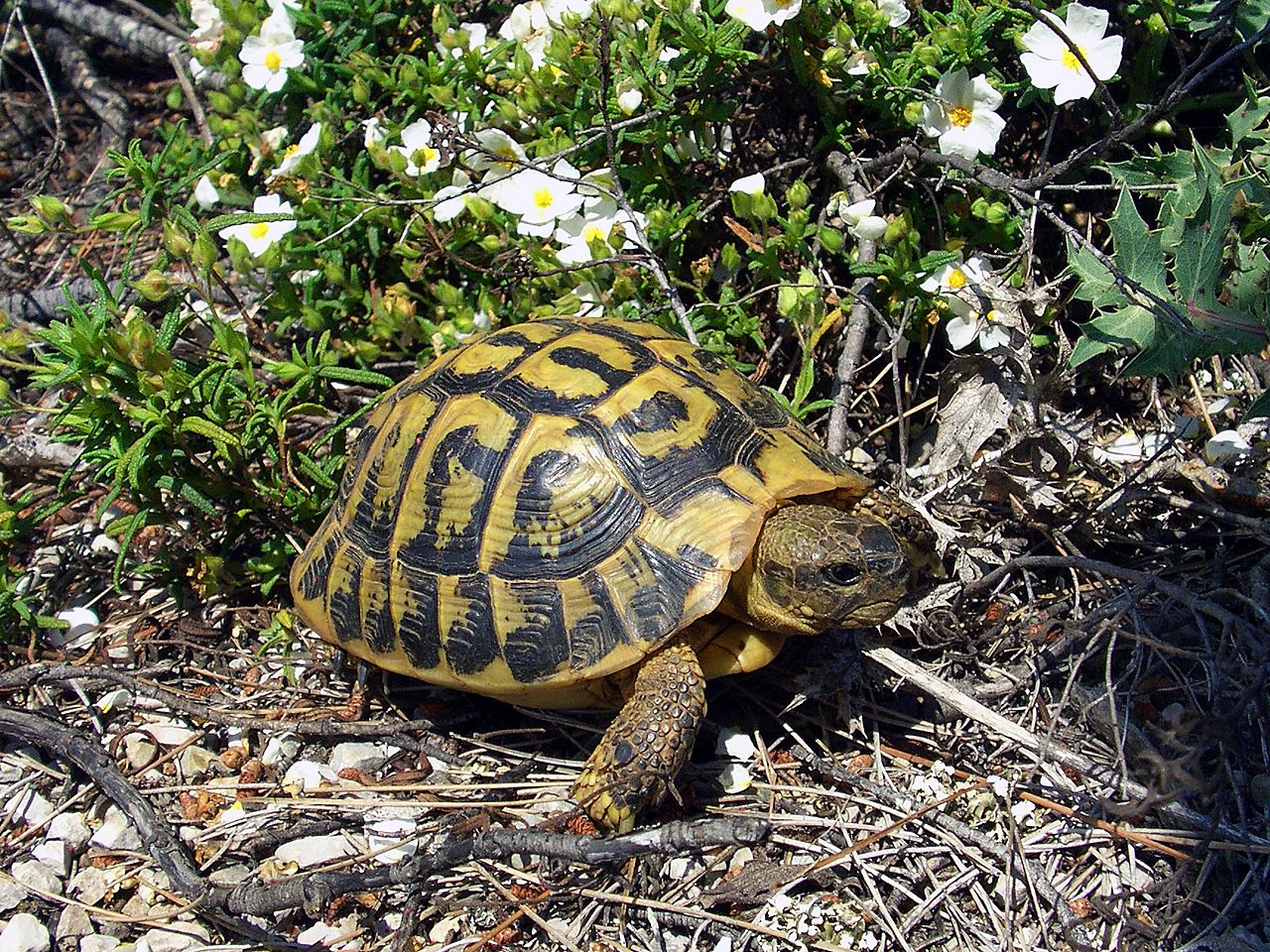
Hermann's Tortoise
 medium
Related breed · size and lifespan prioritized
Leopard Tortoise
 medium
Related breed · size and lifespan prioritized